Growing Handle: 50 funnels to half the cost per customer
- My role
- Growth design
- Team
- TBC
- Duration
- 7 months
- Year
- 2026
Context. Handle is an AI platform for small businesses that want to grow: an AI receptionist that answers the calls, an AI website builder, AI SEO and a GEO assistant, in one system instead of four hires.
My role. I have been the growth designer on Handle for seven months. That means the funnels that bring people in, what they meet when they arrive, and the numbers both are judged by, rather than one screen at a time.
The business problem. Paid acquisition was too expensive to scale. A purchase cost between $100 and $200 depending on the funnel, and the business needed it at around $100 for the maths to work.
What we watched. TBC: the numbers I checked every round, and where I read them. Cost per purchase and what it is made of, click through, the drop between the first screen and the paywall.
The bet. A funnel is a product, not an ad. The promise in the ad, the first screen after the click and the path to the paywall are one flow, and testing them separately only tells you which piece moved.
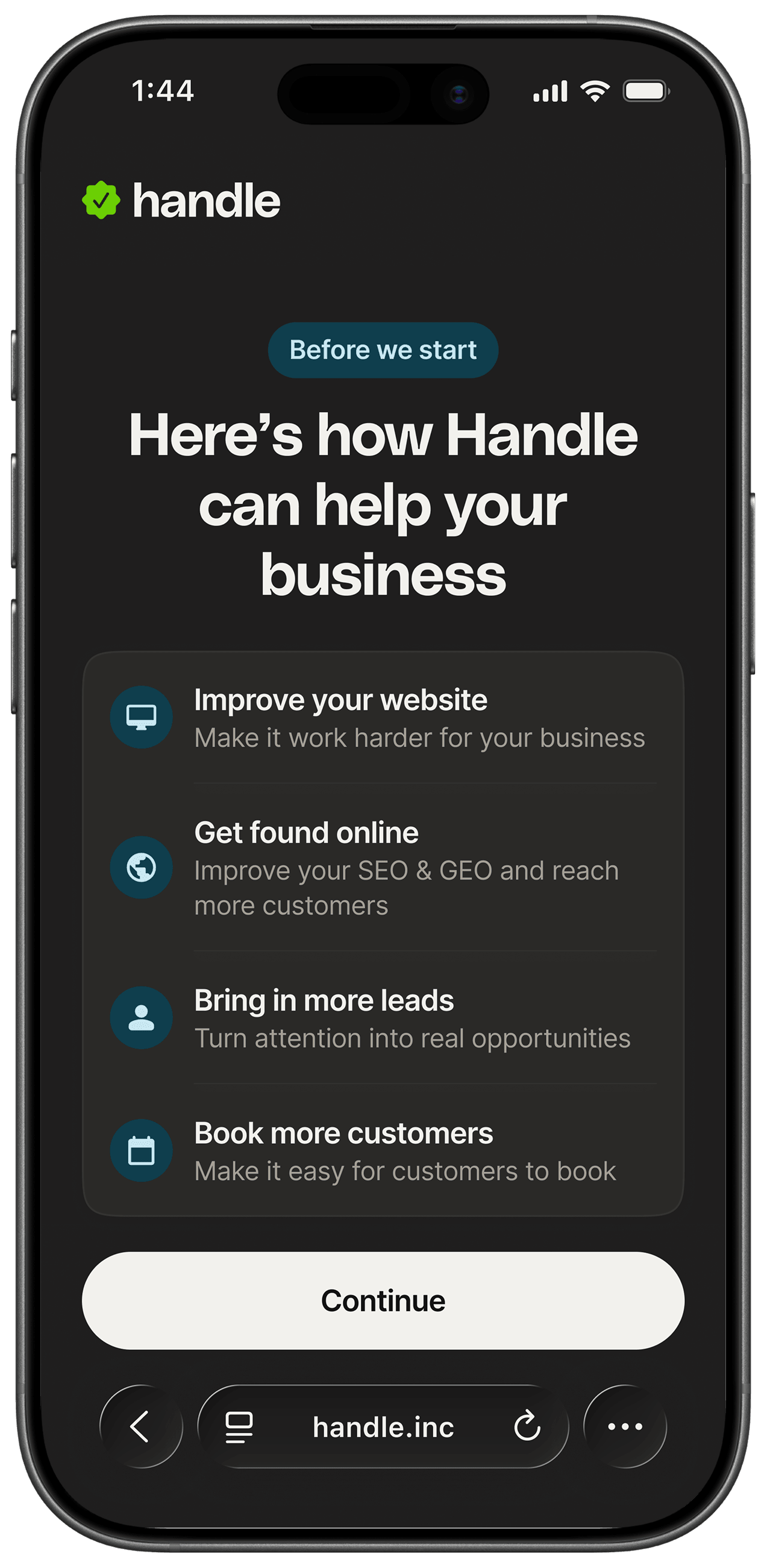
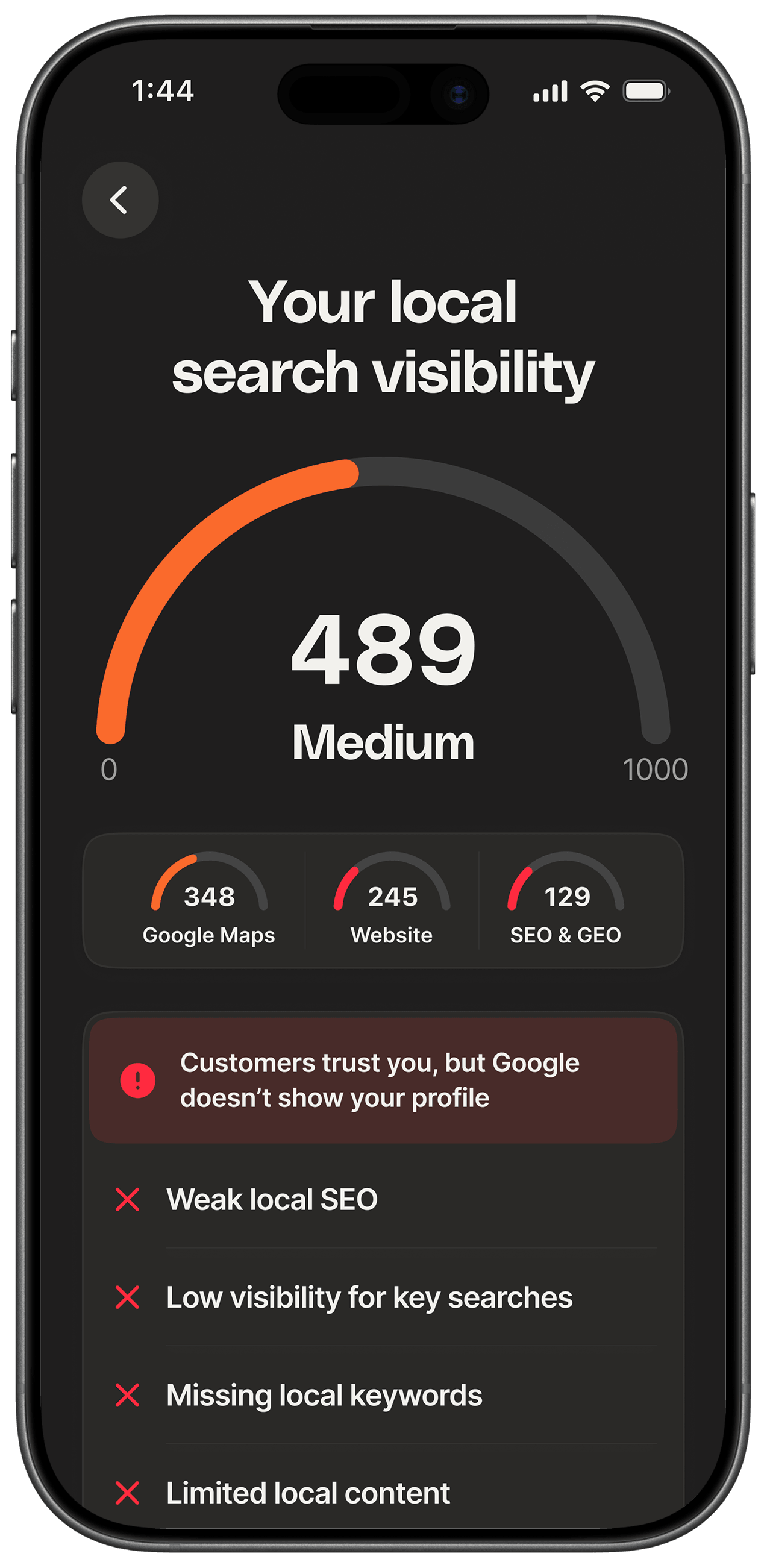
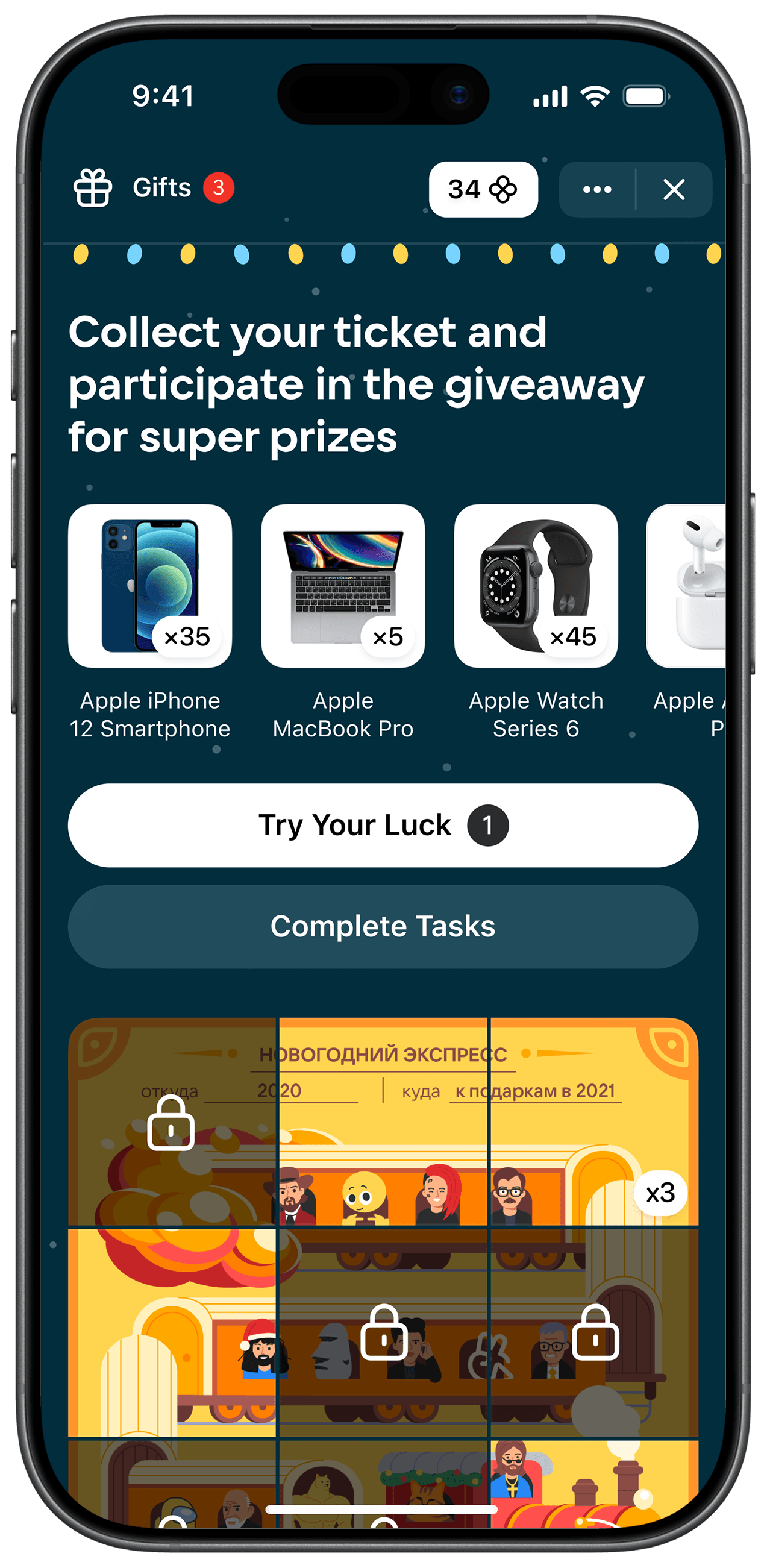
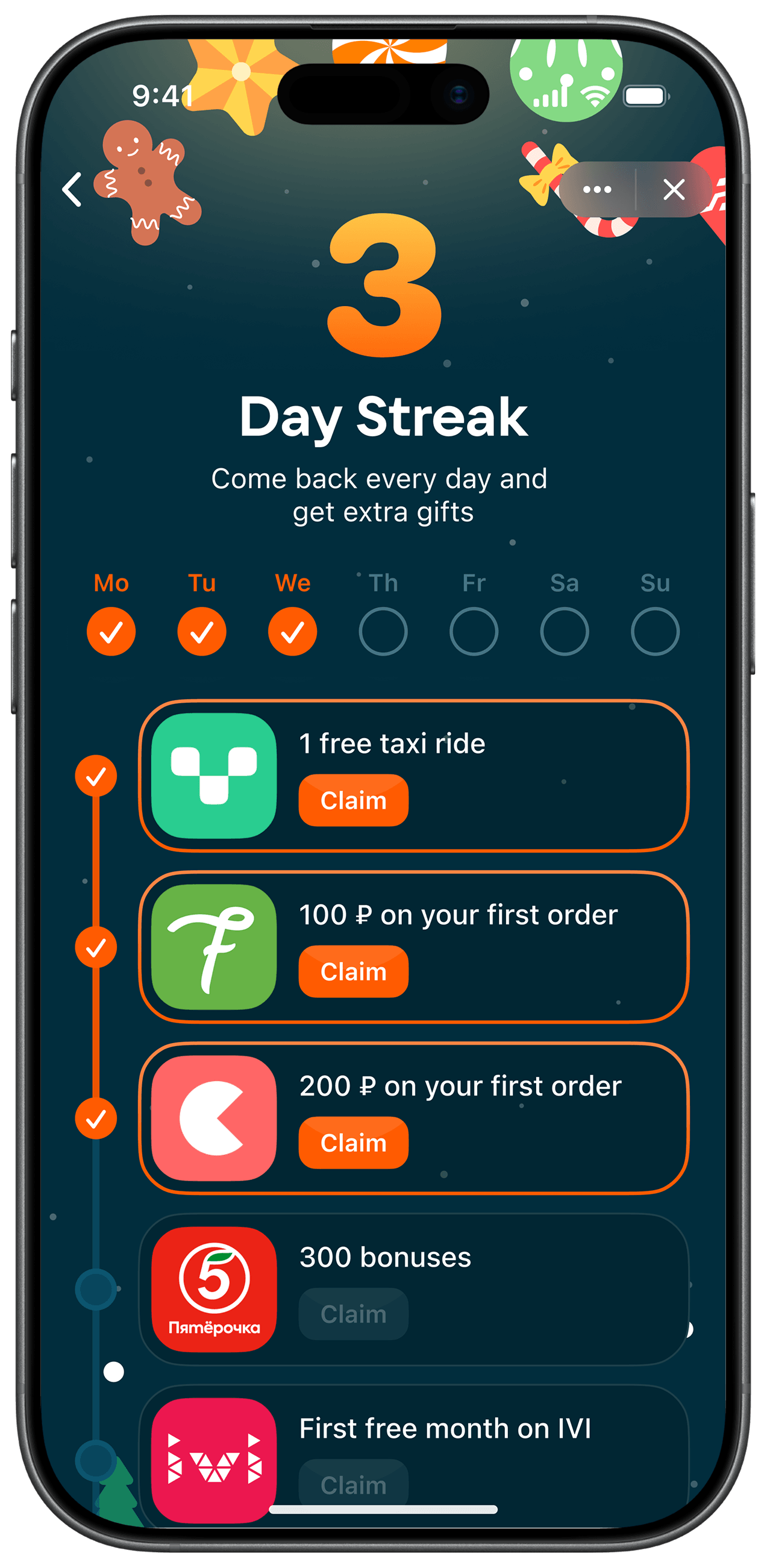
The anatomy of a funnel. Every funnel we shipped was the same four parts in a different order: a promise, a first screen that either earns the next tap or loses it, a short path that makes the value obvious, and a paywall that asks at the right moment.
How we ran it. Around 50 funnels on Meta and Google, in rounds. Each round kept what converted, dropped what did not, and turned the winner into the baseline the next round had to beat.
What we tested. TBC: the variables I actually moved. Angles and audiences, creatives, the first screen, the length of the path, where the paywall sits and what it says.
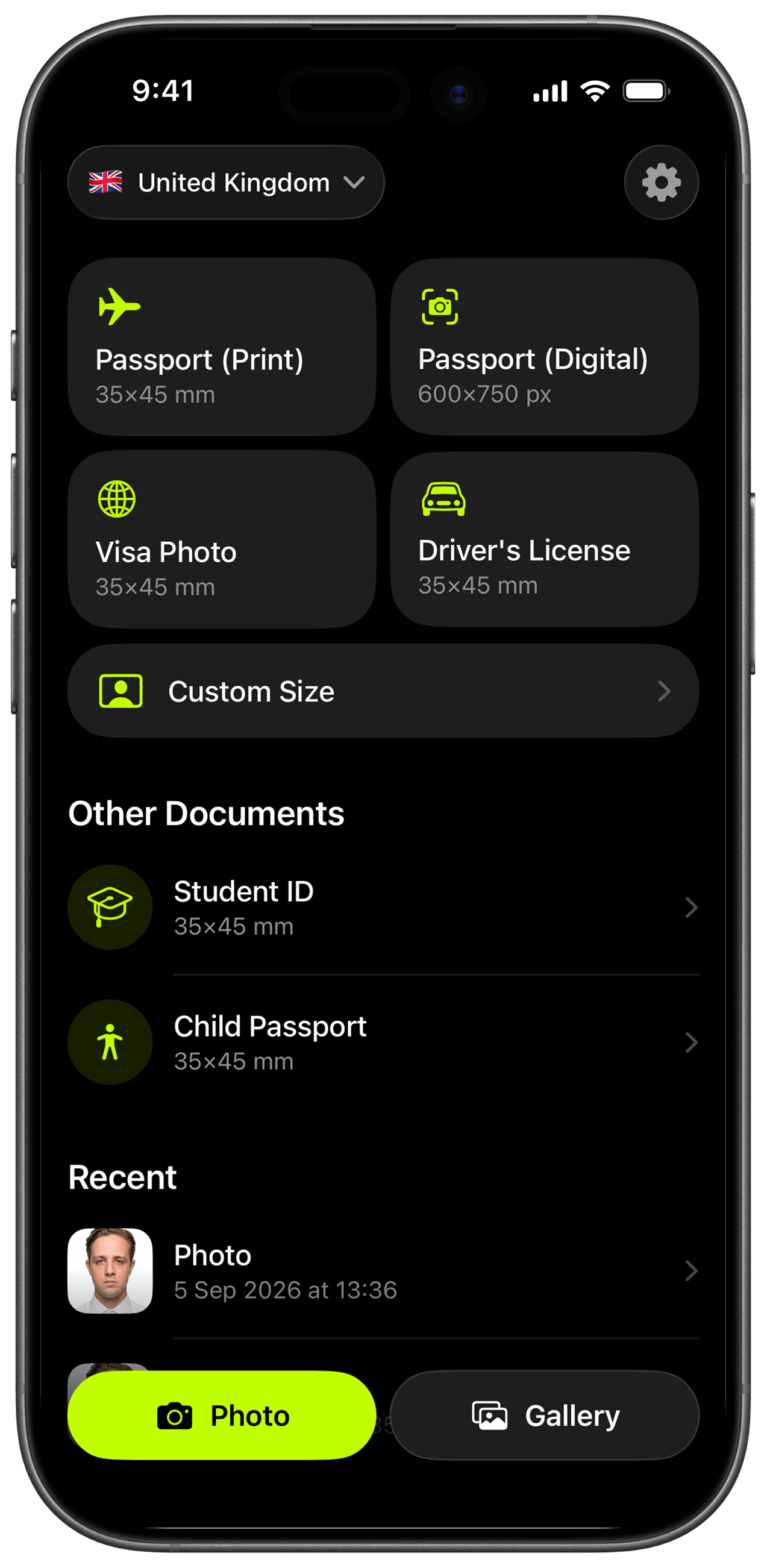
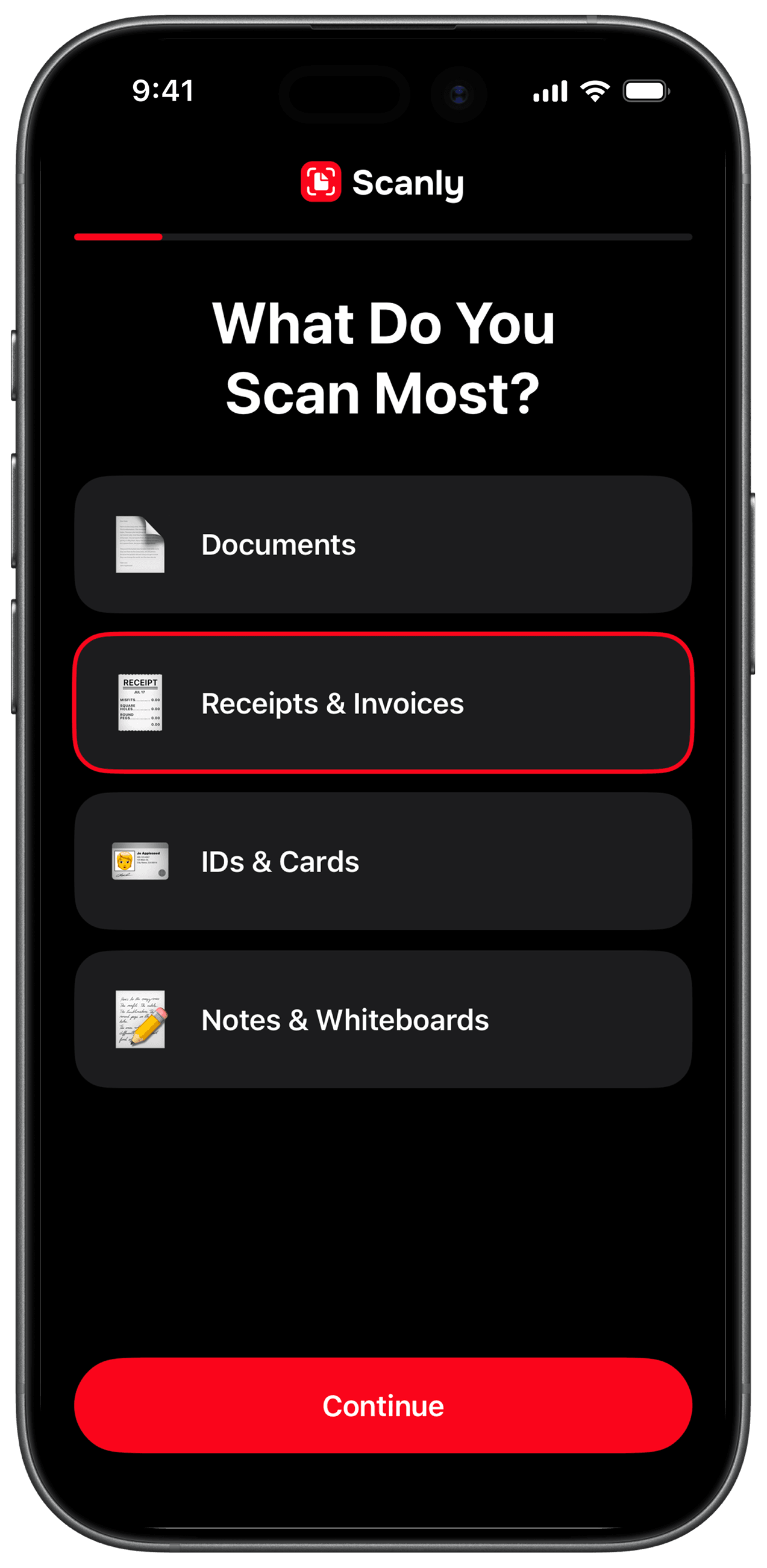
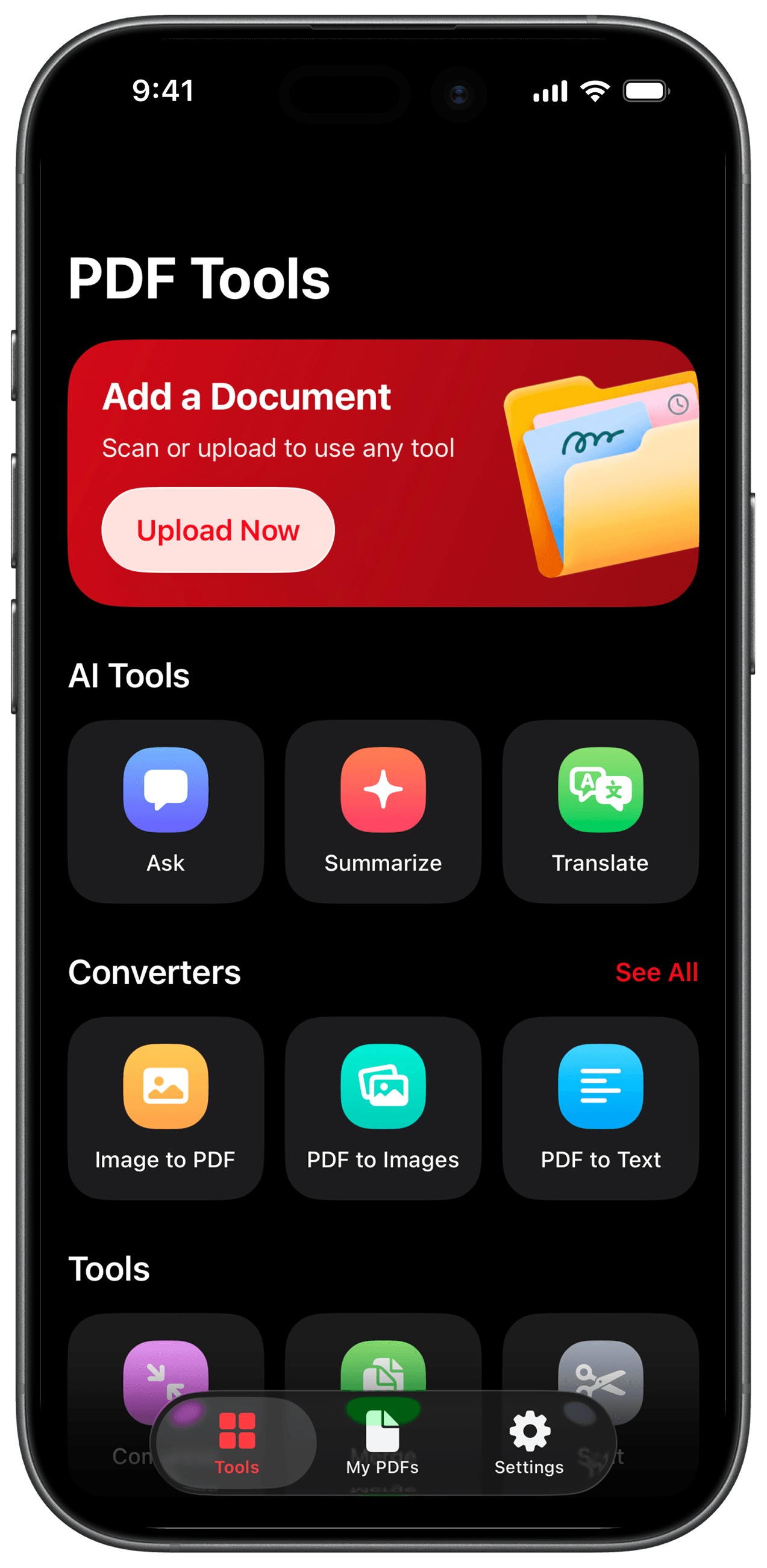
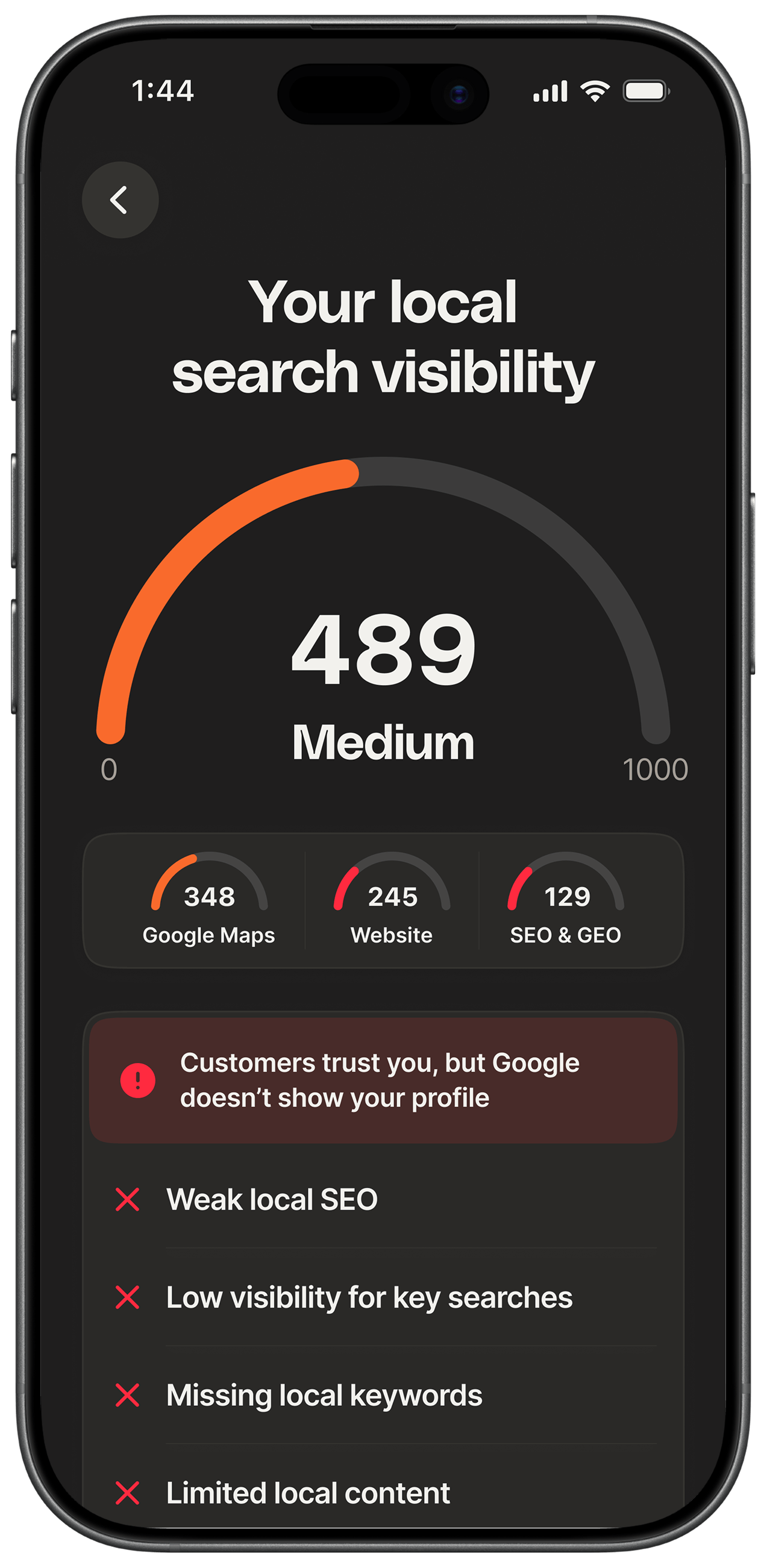
What worked. TBC: two or three funnels that beat the baseline, and why I think they did. This is the part with the screenshots.
What did not. TBC: two or three that lost, and what they taught us. The cheap answer is that a stronger promise pulls a worse audience, and the numbers say it quickly.
Result. Cost per purchase came down from about $200 to about $100, gradually, one round of funnels at a time, not in one lucky jump ✦
The signal. The product was iOS only, but the traffic was not. People arrived on a desktop, looked around and were asked to move to a phone before they could do anything, and most of them did not.
The decision. So we built Handle for the web as well. Not a landing page in front of the app: the product itself, where a business can start the work in the same session it arrived in.
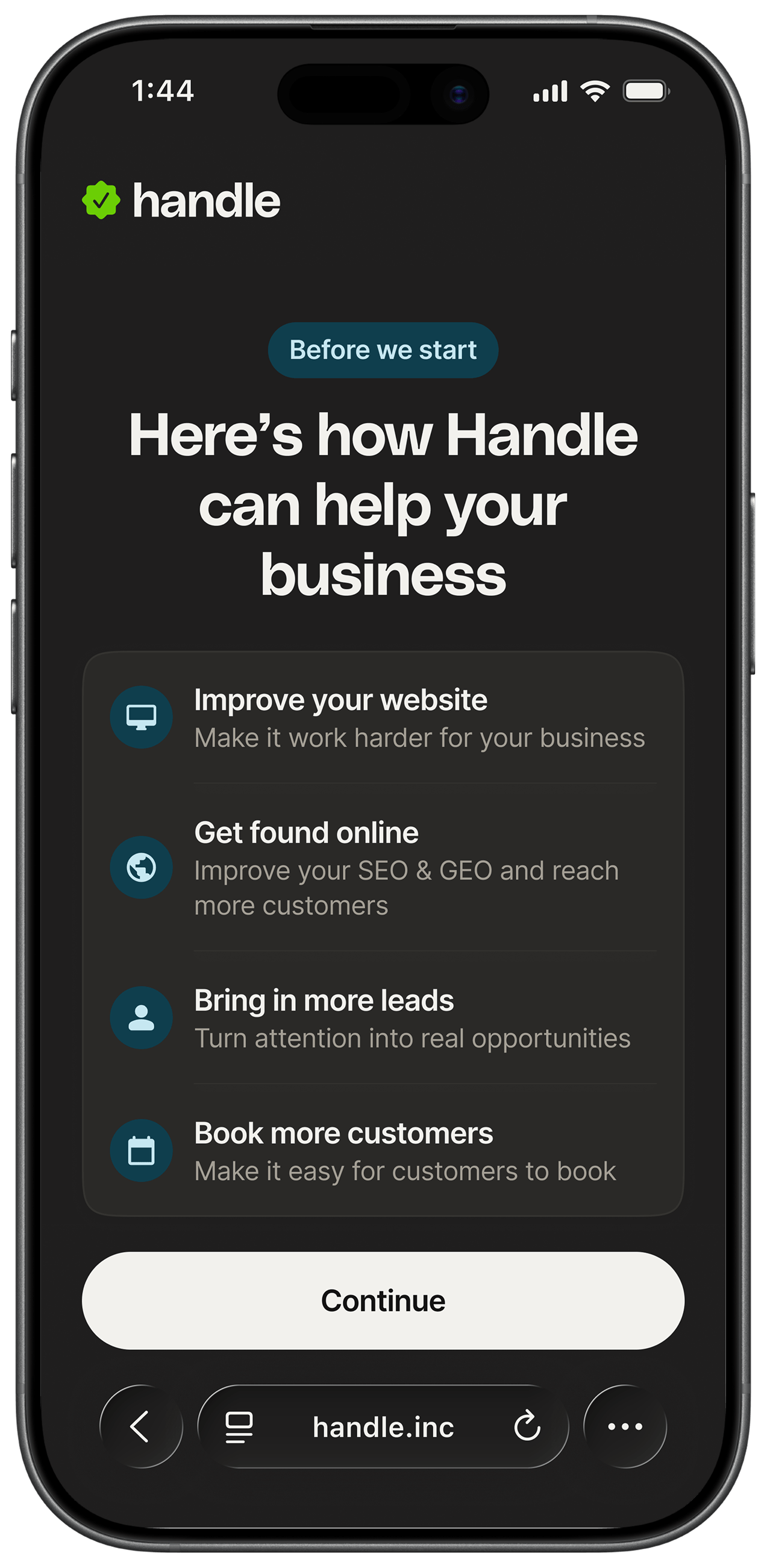
The checklist. The first screen on the web is a checklist of what to set up. It gives people something to finish instead of something to read, and it carries them into the product rather than to a download button.
What it had to carry. Three steps that decide whether a business ever uses Handle: the calls forwarded to the AI receptionist, the account activated, and the app on the phone for everything that happens after.
Result. About 90% of the people who start on the web finish all three: call forwarding connected, the account activated and the app installed ✦
Under both. None of this is possible at that pace without a design system, and there was none: every screen started from an empty frame, and the same button was drawn again in five files.
The system. I built one in Figma from zero: colour, spacing, radius and text styles as variables, then the components the product is actually made of, in the states it actually has.
Tied to code. The tokens and components are mirrored in code, so a value has one home instead of two. What changes in the system changes in the product, and nobody has to translate a screenshot into CSS.
Who it is for. Designers and developers work from the same file, which is the part that makes it hold. It is used, not admired: new screens are assembled from parts rather than drawn from scratch.
Result. TBC: how much faster the frontend gets built now, in whatever number you can stand behind ✦
What I would do next. TBC: the experiments already queued and what I expect them to move.
Impact. Cheaper acquisition, and a second way into the product.
~50
funnels tested
2x
lower cost per purchase
90%
finished the setup
7
months on the project
Thanks.Ask the assistant anything about this project, or read a next case